Introduction
Trading the financial markets can be a complex endeavor, with countless strategies and methods available. From using sophisticated algorithms to following technical indicators, traders often have different ways of approaching the market. But what if you could simplify all of that and make trading decisions by focusing solely on the raw price movement? That’s where price action trading comes in.
Price action trading is a method that centers on analyzing and interpreting price movement on charts, without relying on indicators or other technical tools. It’s a popular approach among traders who prefer simplicity and directness in their decision-making process. In this article, we’ll explore what price action trading is, why traders use it, and why it might be the right method for you.
What is Price Action Trading?
Price action trading is a technique that involves observing the movement of price on a chart and using that information to make trading decisions. Instead of relying on indicators like moving averages or oscillators, price action traders focus on patterns, market structure, and key levels directly from the chart.
The core idea is simple: the price movement reflects the collective behavior and psychology of market participants. By studying historical price data, traders can identify trends, anticipate future movements, and make more informed decisions. In essence, price action trading is about understanding the story that price movements are telling, rather than interpreting signals from external indicators.
Price action trading is often referred to as “indicator-free” trading because it doesn’t involve overlaying charts with tools that use past data. Instead, it prioritizes real-time analysis and gives traders a clear view of the market’s current state.
Why Do Traders Use Price Action Trading?
- Simplicity: One of the primary reasons traders gravitate toward price action trading is its simplicity. Without the clutter of multiple indicators, the charts remain clean, and traders can focus on the essentials—price movements and key levels. This clarity helps streamline the decision-making process, making it easier to spot potential opportunities.
- Flexibility: Price action trading is highly adaptable, making it suitable for various markets, including forex, commodities, stocks, and even cryptocurrencies. Additionally, it works across different timeframes, so whether you’re a scalper looking for quick trades or a swing trader holding positions for days or weeks, price action can be tailored to your style.
- Real-Time Analysis: Unlike many indicator-based strategies that rely on past data, price action provides traders with immediate feedback. This real-time analysis allows traders to react quickly to changes in the market, giving them an edge when conditions shift.
The Benefits of Price Action Trading
- Clarity: One of the standout benefits of price action trading is the clarity it offers. With no conflicting signals from indicators, traders gain a clearer view of what’s happening in the market. This straightforward approach allows them to focus on reading patterns and understanding trends in order to make confident decisions.
- Adaptability: Markets don’t move in the same way all the time; they can be trending, ranging, or experiencing high volatility. Price action trading is versatile enough to adapt to these changing conditions without the need for complex adjustments. A trader using price action can apply the same principles to different market scenarios, making it a reliable and consistent approach.
- Understanding Market Psychology: Price action reveals the behavior of buyers and sellers in the market. By studying price movement, traders can better understand when momentum is shifting, when a trend is likely to continue, or when the market is becoming indecisive. This insight into market psychology allows traders to anticipate changes and position themselves accordingly.
Price Action Trading vs. Indicator-Based Trading
Price action trading stands in contrast to indicator-based strategies. While indicators like moving averages, or MACD provide signals based on past data, price action focuses on the present. Price action traders believe that everything they need to know is already reflected in the price itself.
Why Choose Price Action?
Many traders prefer price action because of its simplicity and its emphasis on real-time data. By focusing on what’s happening right now, traders can make quicker, more precise decisions. However, others may choose to combine price action with indicators for added confirmation.
How to Get Started with Price Action Trading
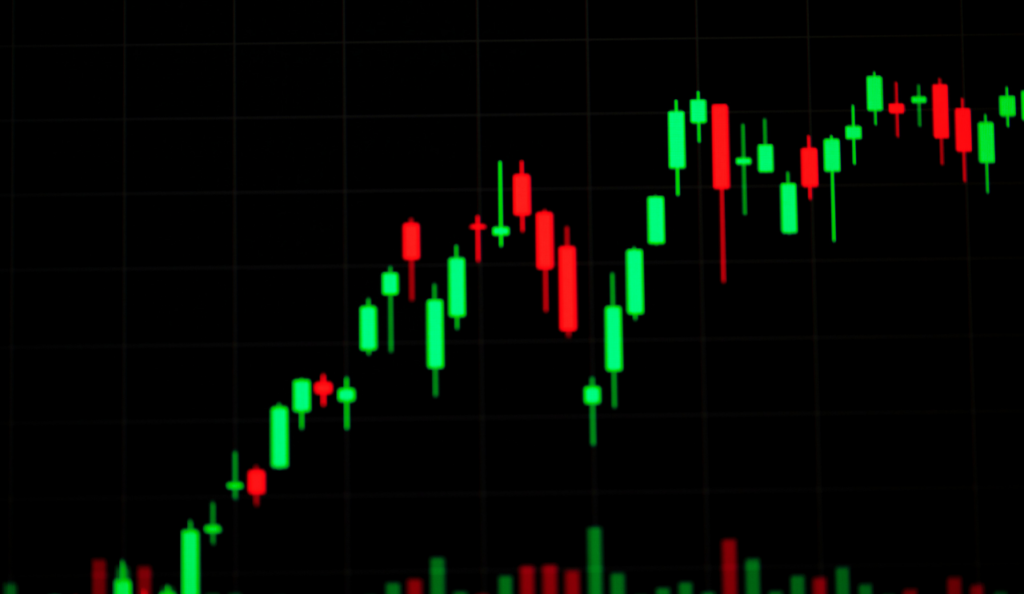
- Focus on Candlestick Charts: To begin your price action journey, it’s essential to learn how to read candlestick charts. Candlestick patterns are the building blocks of price action trading, providing insight into market sentiment and potential reversals.
- Identify Key Levels: Support and resistance levels play a crucial role in price action trading. Start by learning how to identify these levels on a chart, as they often serve as points where price may reverse or continue its trend.
- Observe Market Trends: Begin practicing by identifying simple trends—uptrends, downtrends, and ranging markets. Observe how price moves within these trends.
- Use Multiple Timeframe Analysis: Practice spotting patterns on different timeframes. By using the top-down analysis, from a higher timeframe to a lower timeframe, you’ll be able to get better entry patterns.
Conclusion
Price action trading offers a straightforward, adaptable, and insightful way to approach the markets. By focusing directly on price movement, traders can gain clarity and react in real time without the noise of conflicting indicators. If you’re looking for a method that emphasizes simplicity and allows you to understand market psychology, price action trading is a powerful tool to consider.
As you continue your learning journey, dive into candlestick patterns, support and resistance levels, and market trends to build a solid foundation. In our next article, we’ll explore the basics of candlestick patterns and why they are the building blocks of price action trading.