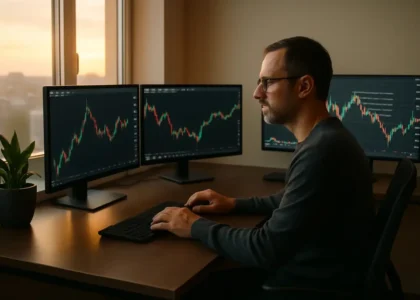
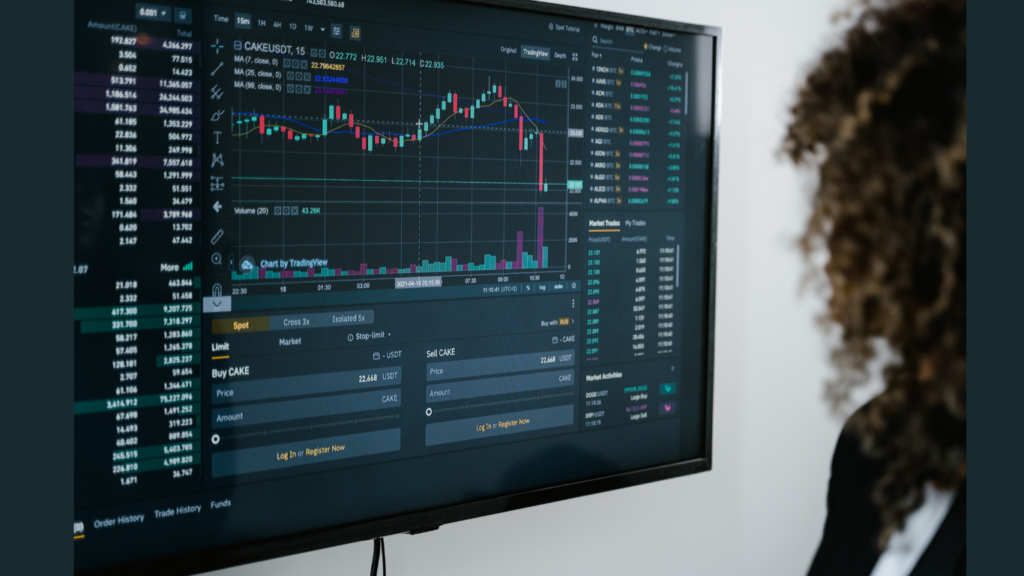
When I first got into trading, it felt like love at first sight. With a background in finance, I believed I was prepared for the journey ahead. I was excited, thinking I could master trading within a few months and start seeing consistent profits. I thought I had all the tools needed to succeed, and the idea of financial freedom fueled my enthusiasm.
However, reality soon set in. My first year of trading was far from the smooth, profitable experience I had imagined. I experienced losses, blew accounts, and quickly realized that trading was not as easy as I had initially thought. It was a humbling experience, but it taught me valuable lessons that shaped the trader I am today.
When I started trading, I was confident that I could quickly grasp the concepts and become profitable within three months. With a finance background, I felt well-prepared and thought trading was just a matter of applying the knowledge I already had. I imagined myself analyzing markets, making trades, and watching my account grow steadily.
But the reality was quite different. My initial attempts led to losses, and I ended up blowing my first account. Surprisingly, I didn’t feel too discouraged; I simply funded the account again, assuming it was just a minor setback. However, when I blew the account bit by bit the second time, I realized trading wasn’t just about having knowledge—it was about developing a skill set that required practice, discipline, and patience. It was a wake-up call that showed me trading is not a sprint but a marathon.
Throughout my first year of trading, I learned several important lessons that not only shaped my trading style but also changed my mindset. These lessons were often learned through trial and error, and they became the foundation of my trading journey.
Lesson 1: The Importance of Patience
In the beginning, I was eager to jump into trades, expecting quick profits. I soon realized that this approach only led to mistakes. I learned that trading requires patience—waiting for the right setups and opportunities that align with my strategy. It’s not about trading all the time but trading at the right time.
Lesson 2: Risk Management Is Non-Negotiable
One of the biggest lessons I learned was the importance of risk management. Initially, I overlooked the significance of managing risk properly, which contributed to my early losses. It wasn’t enough to set stop-losses; I needed a complete plan for every trade, including entry and exit strategies. Now, I make sure that every trade is planned with risk management at its core, allowing me to protect my capital and trade with more confidence.
Lesson 3: The Emotional Roller Coaster
Trading brought out emotions I hadn’t expected—fear, anxiety, and even greed. There were times when I felt overwhelmed, especially when a trade was nearing my stop loss. I learned that emotions can cloud judgment, leading to impulsive decisions that don’t align with my strategy. I realized the importance of managing these emotions, grounding myself by asking whether the conditions for the trade had changed, and reminding myself that it’s just one opportunity among many.
Lesson 4: Developing and Testing a Strategy
Finding the right strategy was not as straightforward as I initially thought. I spent countless hours learning about price action, demand and supply zones, and testing different entry methods. After much trial and error, I eventually found a simple strategy that worked for me, but it took time and effort. This process taught me that developing and refining a strategy is an ongoing commitment.
Lesson 5: Continuous Learning and Adaptation
Trading is a continuous learning process. Even after finding a strategy, I realized that markets are dynamic and require constant adaptation. I started treating every trading day as an opportunity to learn something new, whether it’s observing market patterns or understanding my own behavior as a trader. This mindset shift helped me grow and improve, making me more resilient to challenges.
After blowing my second account, I realized I needed to change my approach. Up until that point, my focus had been solely on making money. I thought if I could just follow the markets and make a few quick trades, the profits would come. But that mindset was holding me back.
I made the decision to take a step back and focus on growing my trading skills rather than chasing profits. I went back to learning, reviewing my strategy, and understanding the mistakes I was making. I shifted my perspective from seeing trading as a way to get rich quickly to viewing it as a skill that needed to be developed and refined over time. This shift allowed me to approach the markets with more patience and discipline, and it ultimately led to better decision-making.
By focusing on trading as a craft, I became more open to learning from my mistakes and more resilient when things didn’t go as planned. I stopped being afraid of losses and started seeing them as opportunities to improve. It was this shift in mindset that made all the difference in my trading journey.
My first year of trading was full of ups and downs, but it taught me invaluable lessons that have shaped my approach today. I learned that trading is not about quick profits but about patience, risk management, and controlling emotions. It’s about continuously learning and adapting while developing a strategy that suits your style.
For those who are just beginning their trading journey, remember that it’s okay to face setbacks. Every trader experiences losses and challenges, especially in the early stages. The key is to stay resilient, learn from every experience, and keep refining your skills. Trading is a journey that requires patience and dedication, but with the right mindset, it can be a rewarding one.
Looking back, I’m grateful for the lessons my first year taught me. They were tough, but they built the foundation for the trader I am today, and I know that these lessons will continue to guide me as I grow and evolve in my trading career.