If you are in the financial sector, especially the trading sector, and you have finally found a strategy that works, the next step is to build a system.
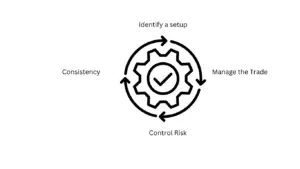
WHAT IS A SYSTEM? A trading system is a structured, rule-based approach that guides traders when making trading decisions. This system guides every step of the trading process, from identifying setups to managing trades and controlling risks, helping traders minimize emotional biases and maintain consistency.
Here are Key Components of a Solid trading system:
- Entry and Exit Criteria: Having clear rules that define the conditions for entering and exiting a trade. Personally, I use Price Action Patterns. They are easy to identify once you get the hang of it because they self-repeat. There are those traders that use indicators or fundamental analysis. It all depends on you and what suits you best.
- Risk Management: I don’t get people who don’t use stop-loss orders. Like it’s there to minimize losses when a trade goes against your bias. Question for you is, Do you have conditions or rules for exiting a trade? Determining the position sizes is also a crucial part of risk management. These practices ensure that no single trade risks too much of the trading capital.
- Trade Management: Your system should include rules of how to manage trades after they’re open. This includes practices such as trailing stop-losses or taking partial profits at certain levels.
- Consistency and Discipline: Following a system requires discipline. You have to avoid making impulsive decisions based on fear and greed. You’ve got to have awareness of your emotional state, especially when market conditions tempt you to deviate.
- Back-testing and Optimization: Back-test your system to see how it would have performed. This step helps traders evaluate its potential profitability and make adjustments if needed.
By following a system, traders can make more objective decisions and increase the likelihood of achieving consistent results over time. On the next article, we’ll look at a step-by-step guide to designing a trading system.